
Road Safety Action International (RSAI)'s Policy and Sustainable Mobility Programme is designed to support governments, cities, institutions, and communities in building transport systems that are safe, inclusive, efficient, climate-responsive, and people-centred. The programme focuses on strengthening road safety policy, advancing sustainable transport planning, promoting active and public mobility, and improving institutional coordination for long-term mobility transformation across Liberia, Sierra Leone, and The Gambia.
We recognize that road safety cannot be addressed in isolation from how mobility systems are planned, financed, governed, and used. A transport system that depends heavily on unsafe road design, informal vehicle growth, weak policy implementation, poor urban planning, and limited alternatives to private or unsafe transport creates long-term risks for people, the economy, and the environment.
Our Policy and Sustainable Mobility Programme provides a structured platform for policy review, legislative support, mobility planning, institutional strengthening, stakeholder engagement, and implementation guidance to help countries and cities transition toward safer and more sustainable mobility systems.
Across West Africa, RSAI works to ensure that transport policy is not only technically sound, but socially inclusive, environmentally responsible, economically viable, and aligned with global road safety and sustainable development commitments.
.jpeg)
Why Policy and Sustainable Mobility Matter
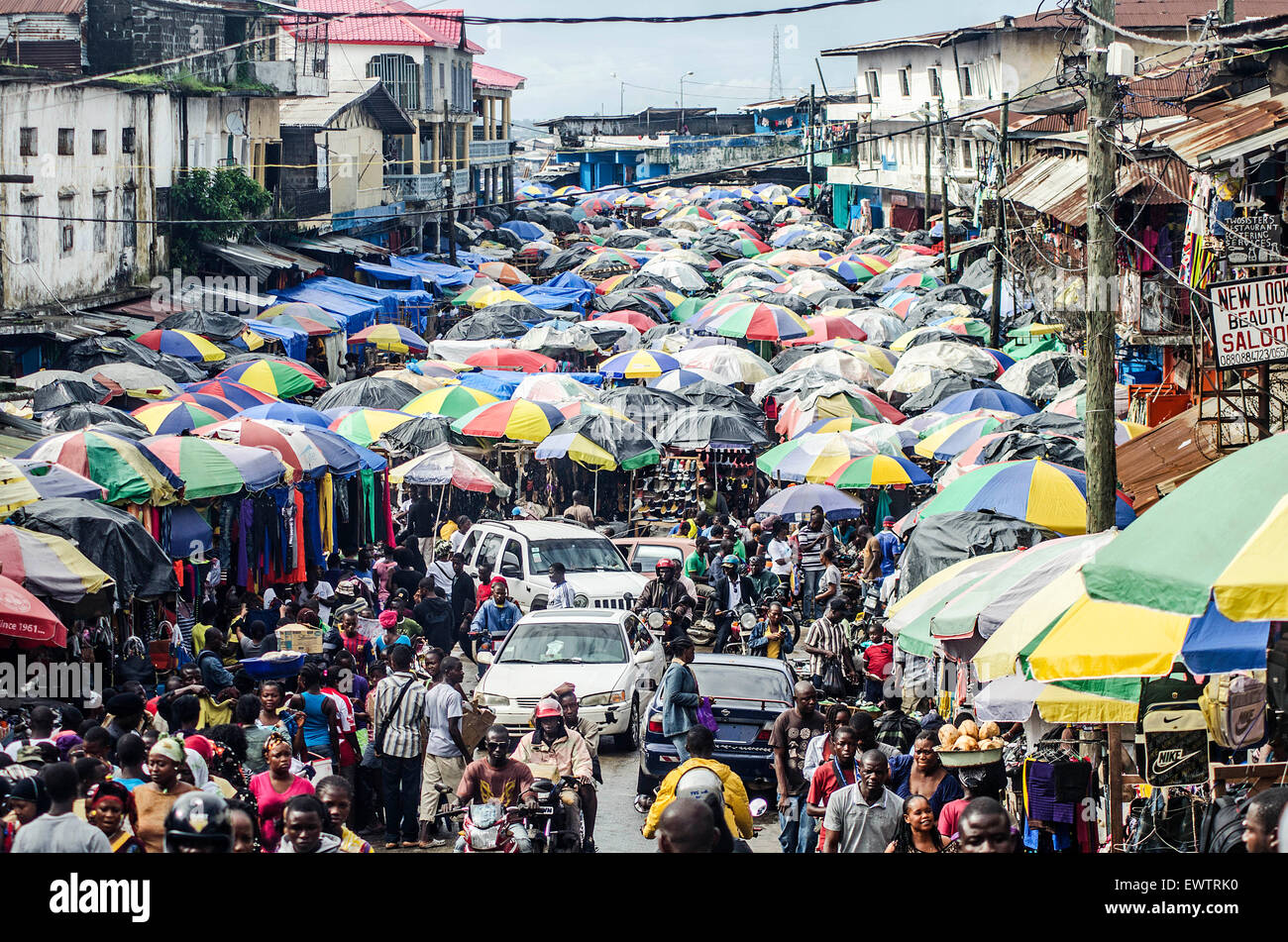
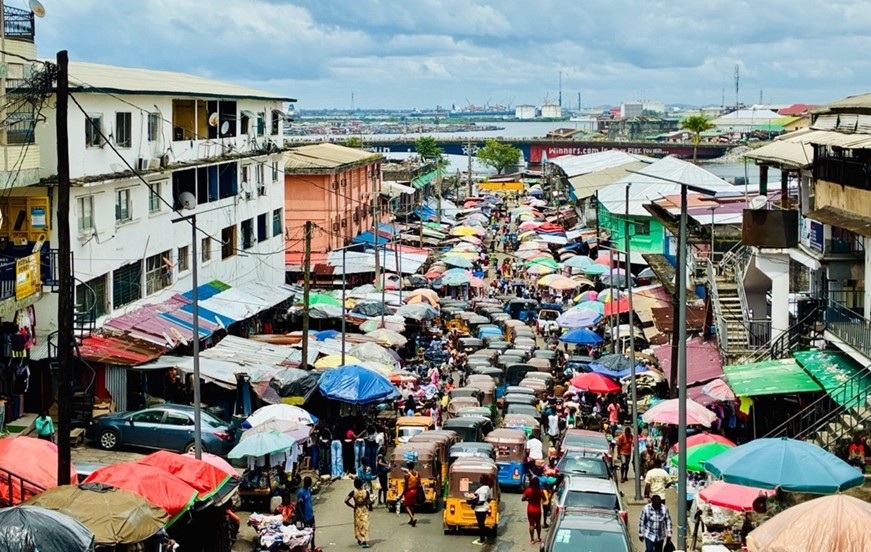
Mobility is fundamental to access, opportunity, and national development. People rely on transport systems every day to reach school, work, health services, markets, and public institutions. But when mobility systems are unsafe, poorly planned, unaffordable, or exclusionary, they deepen inequality, expose vulnerable road users to risk, increase congestion, worsen pollution, and reduce productivity.
Many countries face a range of interconnected mobility and policy challenges, including:
- Weak road safety governance and fragmented institutional responsibilities
- Outdated transport policies and limited legislative reform
- Rapid motorization without adequate safety planning
- Poor integration of walking, cycling, and public transport into road design
- Unsafe and unregulated informal transport operations
- Inadequate transport access for women, children, older persons, and persons with disabilities
- Limited land use and transport planning coordination
- Weak climate resilience and low-carbon mobility strategies
- Insufficient urban mobility data for evidence-based policymaking
- Limited funding frameworks for sustainable transport investment
These gaps contribute to road traffic deaths, unsafe travel conditions, congestion, pollution, exclusion, and unsustainable growth patterns.
Our programme directly addresses these challenges by helping institutions strengthen policy, improve mobility planning, and build systems that move people safely and sustainably.
Our Strategic Objectives
The Policy and Sustainable Mobility Programme aims to:
- Strengthen national and local transport policy frameworks for road safety and sustainable mobility
- Support legislative and regulatory reform aligned with the Safe System Approach
- Promote integrated mobility planning that prioritizes people over vehicles
- Advance safe walking, cycling, and public transport systems
- Improve institutional coordination across transport, planning, police, health, education, and local government sectors
- Mainstream inclusion, accessibility, and gender-responsive mobility planning
- Support climate-resilient and environmentally sustainable transport strategies
- Improve data-driven decision-making, monitoring, and accountability in mobility governance
- Help governments and partners align with SDG targets and global road safety commitments
Core Programme Components
-
Road Safety and Transport Policy Review
RSAI supports governments and institutions in reviewing and strengthening existing transport and road safety policies, strategies, and regulatory instruments. This includes:
- National road safety policy assessment
- Transport sector policy review
- Legal and regulatory gap analysis
- Safe System policy alignment
- Review of speed management, helmet, seatbelt, drink-driving, and pedestrian protection frameworks
- Policy benchmarking against international good practice
- Institutional responsibility mapping
Our goal is to identify weaknesses, duplication, gaps, and implementation bottlenecks, while proposing clear pathways for reform.
-
Sustainable Urban and Regional Mobility Planning
We support cities and regional authorities in designing mobility systems that improve access while reducing risk, congestion, emissions, and exclusion. This includes:
- Urban mobility diagnostics
- Travel demand and accessibility analysis
- Public transport integration planning
- Non-motorized transport planning
- Traffic calming and complete streets approaches
- School zone and community safety planning
- Inter-modal mobility planning
- Corridor and route prioritization for safer movement
RSAI promotes mobility systems that make it easier and safer for people to walk, cycle, use public transport, and access services without unnecessary exposure to road danger.
-
Safe and Inclusive Mobility for Vulnerable Road Users
A sustainable mobility system must serve those most at risk, not only those with the most mobility options. We therefore prioritize:
- Pedestrian safety policy and infrastructure guidance
- Cycling safety frameworks
- Child mobility and school journey safety planning
- Accessibility audits for persons with disabilities
- Gender-responsive transport planning
- Market, roadside, and community movement safety analysis
- Elderly-friendly crossing and access design recommendations
This component ensures that mobility planning protects those who are often overlooked in traditional transport systems.
-
Public Transport and Informal Transport Reform Support
In many West African contexts, informal and semi-formal transport systems are central to daily mobility. However, they often operate with weak regulation, inconsistent safety standards, and limited integration into formal planning. RSAI provides support for:
- Safety and service quality assessments of public and informal transport systems
- Route and operating environment review
- Driver behaviour and operational standards frameworks
- Institutional engagement with unions and operator groups
- Passenger safety measures
- Fleet safety and inspection policy recommendations
- Public transport governance strengthening
Our approach does not ignore the reality of informal transport. Instead, it works to make these systems safer, more accountable, and better integrated.
-
Climate-Responsive and Low-Carbon Mobility Policy
Sustainable mobility must address both safety and environmental resilience. Transport systems that increase emissions, fuel dependency, and climate vulnerability undermine long-term development. We support:
- Low-carbon mobility policy development
- Active mobility promotion strategies
- Public transport prioritization frameworks
- Climate resilience in transport infrastructure planning
- Flood-risk and heat-risk considerations in mobility systems
- Environmentally sustainable mobility advocacy
- Integration of safety and sustainability indicators into transport plans
By linking road safety with environmental sustainability, RSAI helps shape transport systems that are resilient for future generations.
-
Institutional Capacity and Governance Strengthening
Strong policy is only effective when institutions have the coordination, skills, mandates, and tools to implement it. RSAI works with Ministries of Transport, Public Works, Education, and Health; national road safety agencies; municipal governments; police and enforcement agencies; and parliamentary committees and policy units. Support includes:
- Institutional coordination frameworks
- Policy implementation roadmaps
- Training on road safety governance and mobility planning
- Monitoring and evaluation systems
- Technical working group facilitation
- Multi-stakeholder consultation processes
- Governance and accountability support
Our Methodology
Our Policy and Sustainable Mobility Programme is built on a systems-based, evidence-led, participatory, and implementation-focused methodology.
Key Activities
RSAI may undertake the following activities under this programme:
- Policy, law, and regulatory review
- Mobility needs assessments and diagnostics
- Stakeholder mapping and institutional coordination analysis
- Public transport and informal transport safety studies
- Non-motorized transport and pedestrian safety planning
- Accessibility and inclusion assessments
- Technical working group meetings and policy dialogues
- Strategy and action plan development
- Capacity-building workshops and policy literacy sessions
- Development of implementation and monitoring frameworks
- Advocacy support and public-facing policy communication
Deliverables
Each Policy and Sustainable Mobility engagement may produce the following outputs:
Implementation Timeline
| Phase | Stage | Key Activities |
|---|---|---|
| Phase 1 | Inception and Diagnostic | Stakeholder engagement, policy review, institutional mapping, mobility assessment |
| Phase 2 | Policy and Systems Analysis | Legal review, governance analysis, gap identification, benchmarking |
| Phase 3 | Strategy and Framework Development | Sustainable mobility strategy, reform recommendations, coordination framework |
| Phase 4 | Validation and Capacity Building | Consultation workshops, technical review sessions, institutional training |
| Phase 5 | Finalisation and Implementation Support | Final reports, implementation roadmap, monitoring framework, policy support |
Project Organisation and Staffing
Implementing Organisation: Road Safety Action International (RSAI)
Key Stakeholders
- Ministry of Transport
- Ministry of Public Works
- National road safety agencies
- Urban and municipal authorities
- Traffic police and enforcement bodies
- Public transport regulators and unions
- Development partners and financiers
- Civil society organisations
- Universities and research institutions
- Community representatives and advocacy groups
Technical Team
- Transport policy specialists
- Road safety governance experts
- Urban mobility planners
- Public transport and systems analysts
- Legal and regulatory experts
- Accessibility and inclusion specialists
- Environmental and climate policy experts
- Monitoring, evaluation, and documentation specialists
Project Logframe
| Outputs | Policy review reports; sustainable mobility strategies; legal reform recommendations; institutional coordination frameworks; inclusive mobility assessments; implementation roadmaps |
|---|---|
| Outcomes | Stronger road safety governance; improved transport policy coherence; safer and more inclusive mobility planning; better protection of vulnerable road users; improved institutional coordination |
| Impact | Safer, greener, more accessible, and more resilient transport systems; reduced road traffic deaths and injuries; improved mobility access and public confidence; long-term sustainability of transport investments |
Alignment with Global Commitments
Our work directly contributes to:
- SDG Target 3.6 — Halve road traffic deaths and injuries by 2030
- SDG 11 — Make cities and human settlements inclusive, safe, resilient, and sustainable
- SDG 13 — Take urgent action to combat climate change and its impacts
- The UN Decade of Action for Road Safety (2021–2030)
- The Global Plan for the Decade of Action for Road Safety 2021–2030
- Strengthening national transport governance and mobility systems
- Supporting safer, low-carbon, and people-centred mobility transitions
- Building institutional capacity for long-term, evidence-based transport planning
Our Commitment
The Policy and Sustainable Mobility Programme reflects RSAI's belief that safer roads require more than enforcement and infrastructure alone. They require strong policy, coordinated institutions, inclusive planning, and mobility systems designed around human life and dignity.
At RSAI, we believe that:
Every policy strengthened is a system made safer.
Every mobility plan improved is a journey made more secure.
Every vulnerable road user protected is a society made more just.
Every institution aligned is a future made more sustainable.
Policy is not paperwork.
Sustainable mobility is not a luxury.
They are essential foundations for safer, fairer, and more resilient transport systems.
Partner With Us
We welcome partnerships with:
Together, we can build transport systems across West Africa that are not only functional — but safe, inclusive, efficient, and sustainable for all.