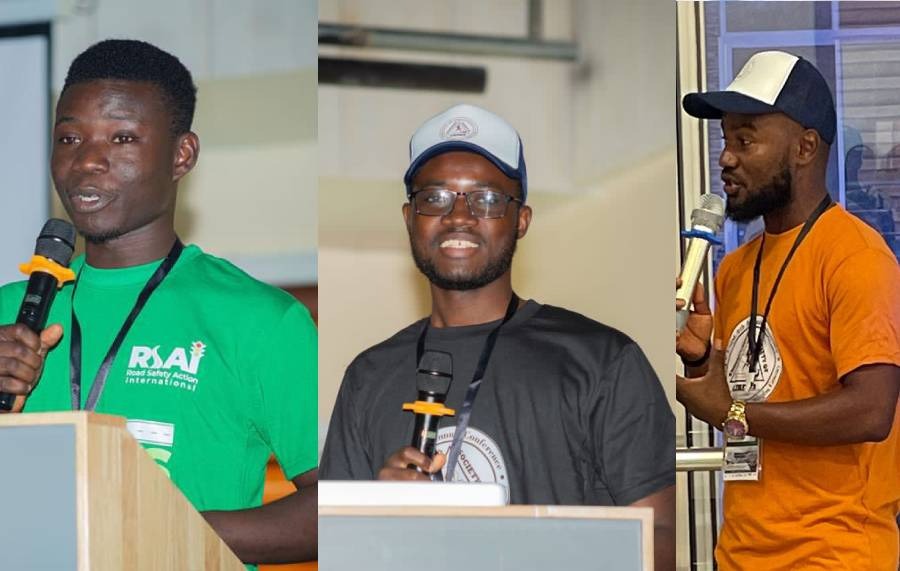
Road Safety Action International (RSAI) is making significant strides in advancing road safety initiatives in Liberia, and its recent participation in the Engineering Society of Liberia Conference in Ganta City, Nimba, further solidified its position as a leader in the field. As the only civil society organization dedicated solely to road safety in Liberia, RSAI continues to employ research writing as a cornerstone strategy for enhancing road safety across the nation.
At the conference, RSAI staff members presented three technical research papers that garnered attention and acclaim from attendees.
Three papers presented
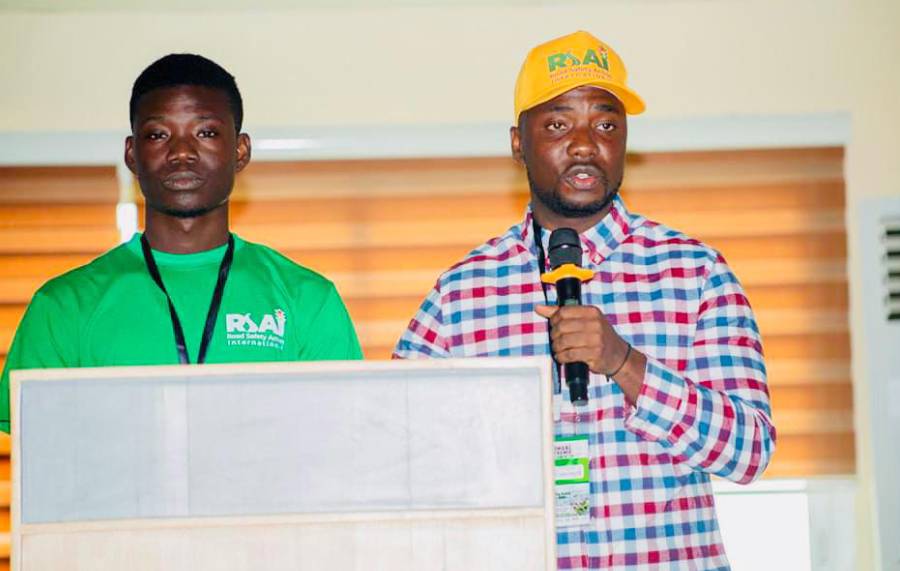
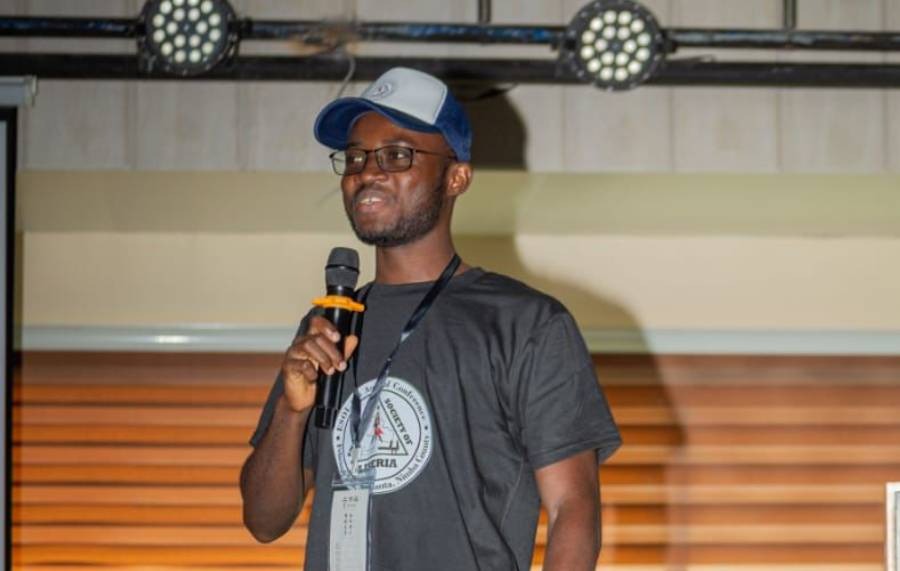
RSAI at the ESOL Conference, Ganta City
- Star Rating Approach Risk assessment of the SKD–ELWA Tubman Boulevard segment
- Standardized Crash Data Comparing Liberia's data collection to Norway, Malaysia & Ghana
- Motorcyclist Safety Study Traffic Conflict Technique at unsignalized junctions
Rating road infrastructure risk
Improving Road Infrastructure Safety Using a Star Rating Approach delves into the assessment of risk levels posed by road infrastructure to various users, including car occupants, pedestrians, and cyclists. Focusing on the segment from the SKD Boulevard Intersection to the ELWA Intersection of Tubman Boulevard, RSAI utilized the International Road Assessment Programme's Star Rating Tool, ViDA, to provide valuable insights for data-driven analysis and potential improvements.
Standardizing crash data collection
Preventing Road Tragedies through Standardized Accident Data Collection (A Case Study on Liberia) compares Liberia's road crash data collection methodology with that of leading countries in road safety improvement, such as Norway, Malaysia, and Ghana. It evaluates the performance of Liberia's National Police in recording road accidents and related data parameters, highlighting areas for enhancement and standardization.

Through rigorous research, RSAI continues to facilitate data-driven analysis, engage with stakeholders, and advocate for evidence-based interventions that save lives.
Road Safety Action International
Mapping risk at unsignalized junctions
A Comprehensive Study of Motorcyclist Behavior and Safety at Unsignalized Junctions: A Liberia Road Safety Scenario Using Traffic Conflict Techniques employs the Traffic Conflict Technique to identify high-risk areas for motorcycle riders and pedestrians at unsignalized intersections in Liberia. By pinpointing these areas, RSAI aims to advocate for targeted interventions and infrastructure improvements to enhance safety for vulnerable road users.
Research as advocacy
These presentations underscore RSAI's commitment to raising awareness of road safety issues and urging stakeholders and policymakers in the transport sector to recognize the urgent need for road safety improvements in Liberia. As RSAI continues to lead the charge in promoting road safety, its contributions at the Engineering Society of Liberia Conference serve as a testament to the organization's dedication, expertise, and impact in creating safer roads and communities across the nation.